




Axon Neuroscience was founded in 1999 by Professor Michal
Novák, who began his research in the late 1980s in the
Laboratory of Molecular Biology, MRC in Cambridge with Nobel
Laureates Sir Aaron Klug, Cesar Milstein and John Walker.
Professor Novak had a crucial role in discovering tau protein
as the structural constituent of neurofibrillary tangles, a
major hallmark of Alzheimer's disease. He was the first to
make the link between structural changes of tau and
Alzheimer’s disease, proposing tau as a valid target for
therapy. Professor Novak and Axon have since pioneered the
clinical development of tau therapy. Our scientific team has
over 20 years‘ experience in research of Alzheimer’s disease
and is the single biggest team in the world dedicated
exclusively to tau immunotherapeutics. Axon Neuroscience’s
first-in-man tau vaccine AADvac1 has the potential to address
one of the world’s most critical unmet medical needs, having a
monumental impact on Alzheimer’s disease victims and their
families.
„Alzheimer’s disease has long been the silent plague of mankind. Despite meaningful efforts
across the industry, there is still no cure for Alzheimer’s disease, and substantial unmet
need remains despite recently approved disease-modifying therapies. Axon is on a mission
to change this. With more than two decades of tau research, our team is advancing a tau-
targeted therapeutic approach. Our lead asset, the active tau immunotherapy AADvac1, is
now part of two major Phase 2 platform trials in the U.S. — in Alzheimer’s disease and
Progressive Supranuclear Palsy. Seeing AADvac1 advance in two major Phase 2 clinical trials
is an important recognition of our work, which brings us closer to our long-standing
commitment: translating tau science into meaningful treatment options for patients.”
Michal Fresser, CEO of Axon Neuroscience

Alzheimer’s disease dates back to 1906, when Alois Alzheimer described changes in the brain tissue of his patient Auguste Deter, who had died of a peculiar mental illness.
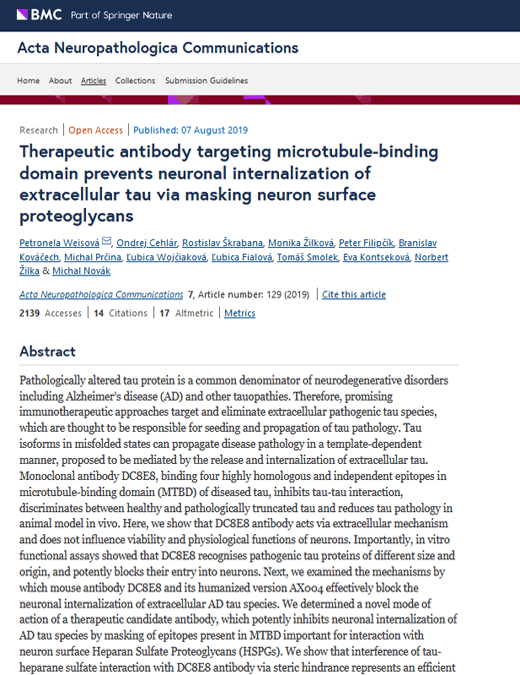
In 1988, Professor Michal Novak, co-founder of Axon Neuroscience, who started his research in the late 1980s in the Laboratory of molecular biology, MRC, Cambridge with Nobel Laureates Sir Aaron Klug, Cesar Milstein and John Walker, discovered tau protein as the structural component of neurofibrillary tangles, a major hallmark of Alzheimer's disease.
In 1994, Professor Novak proposed a hypothesis that pathological tau truncation – a cleavage process by which physiological (healthy) tau is modified and transformed into pathological (unhealthy) tau, is the key modification of tau protein in Alzheimer’s disease brain.
In 1999, AXON Neuroscience was founded by Professor Novak in Vienna, Austria.
In 2001, Axon scientists discovered and characterised a particular form of the truncated tau protein with a causal role in AD – “Alzheimer tau”.
In 2003, Axon developed the first transgenic rat model reproducing a sporadic form of Alzheimer's disease, and thus validated Alzheimer tau as the major cause of Alzheimer’s disease neurodegeneration.
Axon scientists identified two leading tau therapeutic candidates: AADvac1 – the active tau vaccine; and AADvac2 – a therapeutic monoclonal antibody that directly target pathological tau.
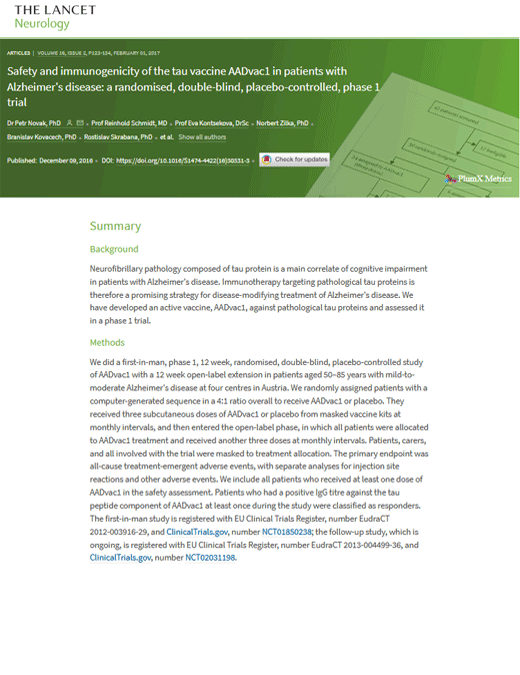
The first Alzheimer’s disease patient was vaccinated with AADvac1 in a Phase 1 trial performed in Austria.
Axon successfully finished the Phase II trial ADAMANT in patients with mild Alzheimer’s disease.
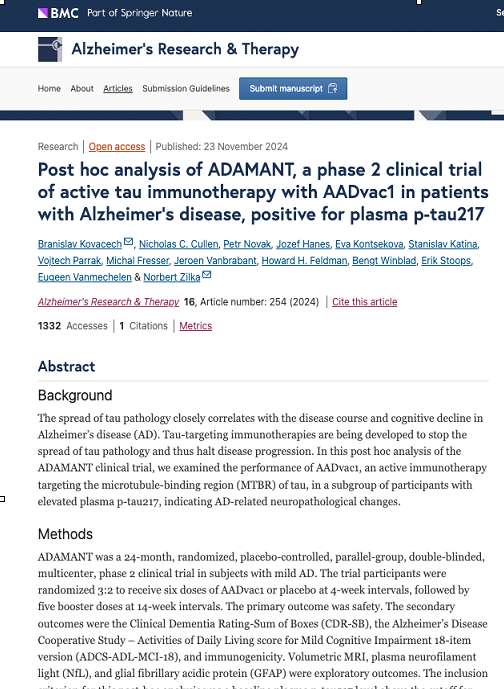
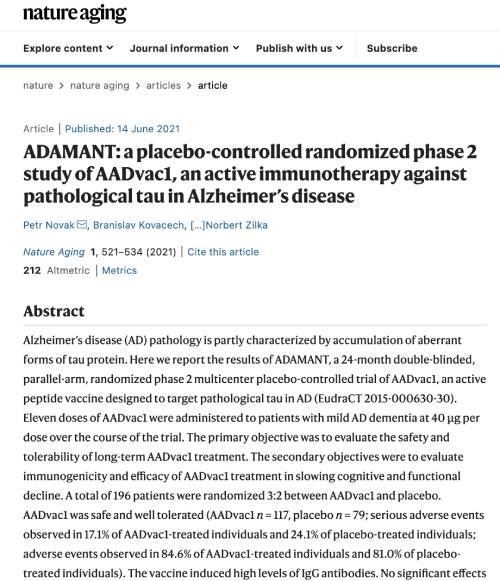
ADAMANT Phase II trial with AADvac1 confirmed excellent safety profile with strong efficacy signals and the results were published in Novak P, et al. ADAMANT: a placebo-controlled randomized phase 2 study of AADvac1, an active immunotherapy against pathological tau in Alzheimer’s disease. Nature Aging (2021) and Kovacech, et al. Post hoc analysis of ADAMANT, a phase 2 clinical trial of active tau immunotherapy with AADvac1 in patients with Alzheimer’s disease, positive for plasma p-tau217. Alz Res Therapy (2024)
The Phase 2 Alzheimer’s Tau Platform (ATP) Combination-Therapy Trial has started enrolment in the AADvac1 Regimen. ATP is the first clinical study to systematically combine therapies targeting the two main disease-driving proteins: amyloid and tau. The Phase 2 trial aims to assess the safety and efficacy of AADvac1 both as a monotherapy and in combination with Eli Lilly’s Kisunla®, an approved anti-amyloid antibody for Alzheimer’s disease.
The Phase 2 platform Trial for Progressive Supranuclear Palsy (PSP) has started enrolment in the AADvac1 Regimen. The new PSP Trial Platform (PTP), led by the University of California, San Francisco, will be conducted at 50 clinical centers across the U.S. and Canada, and will test three different therapeutic approaches.














 Close
Close
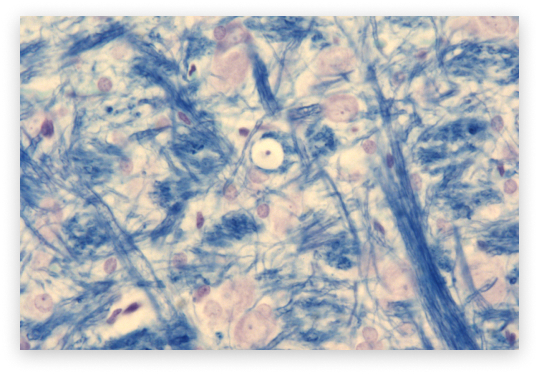
Tau proteins are essential for the healthy and normal functioning of the brain, playing a crucial role in a broad spectrum of physiological processes, including cell signaling, the dynamics of the cellular cytoskeleton, and the protection of DNA. The onset of Alzheimer’s disease is initiated when these normal tau proteins undergo truncation, leading to pathogenic alterations. These abnormal tau proteins tend to aggregate with one another and also recruit normal tau proteins, resulting in the formation of pathological tau species that spread throughout the brain. The temporal and spatial distribution of these strains strongly correlates with cognitive decline and memory impairment in patients diagnosed with Alzheimer’s disease. Over the past two decades, Axon has generated comprehensive and robust data affirming that pathological tau is the underlying cause of Alzheimer’s disease. The company’s leading therapeutic candidates are specifically designed to identify and target pathological tau, effectively halting the spread of tau pathology while preserving healthy tau proteins. Axon’s therapeutic candidates demonstrate efficacy in slowing the progression of Alzheimer’s disease, thereby mitigating the cognitive and functional decline experienced by patients.
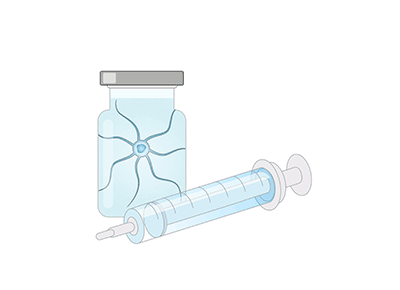
Active Vaccine for Alzheimer’s disease: The active vaccine candidate is the most clinically-advanced tau therapy in development for Alzheimer’s disease. It instructs the patient’s immune system to produce specific antibodies targeting pathological tau.
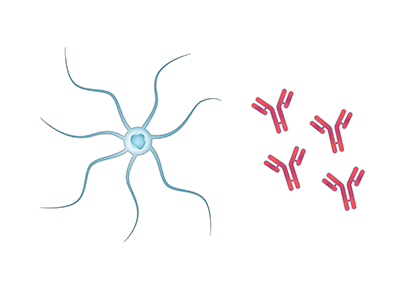
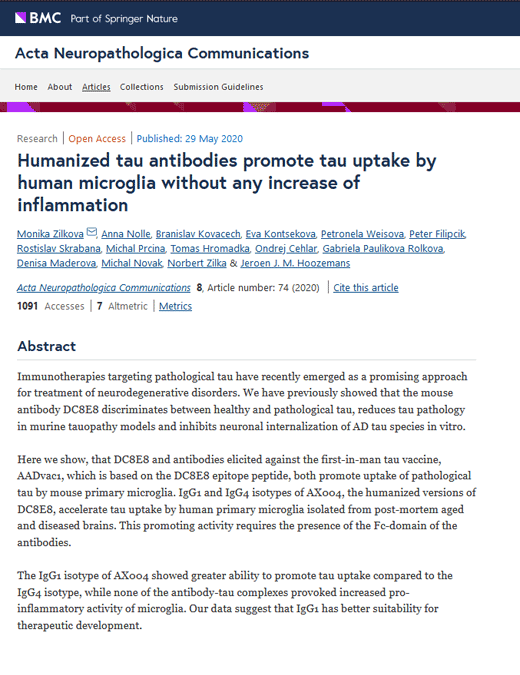
Humanized Monoclonal Antibody for Alzheimer’s disease: The monoclonal antibody candidate produced in the laboratory conditions that is delivered to the patient’s body in order to target pathological tau.
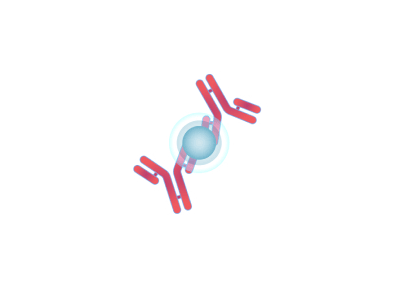
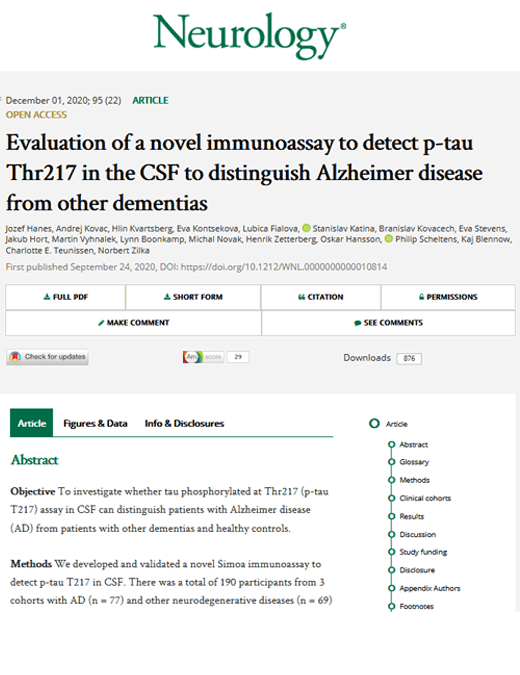
The leading diagnostic immunoassay is based on the detection of novel Alzheimer´s disease biomarker phosphorylated T217 tau species in the cerebrospinal fluid and blood. The assay can specifically discriminate Alzheimer´s disease patients from patients suffering from other dementias and tau related disorders.

There is an urgent need for novel diagnostic tools that may improve diagnostic precision. Therefore, Axon has embarked upon an extensive research program on novel Alzheimer´s disease biomarkers in cerebrospinal fluid and blood. We are using cutting-edge technologies to identify Alzheimer´s disease-specific biomarkers with diagnostic and prognostic capabilities. Our approach centres on miRNA, metabolomics, peptidomics and proteomics.
Axon Neuroscience has generated a variety of animal rodent models recapitulating the main pathological features of Alzheimer's disease such as neurofibrillary pathology, neuroinflammation, synaptic dysfunction, and many others. The models are ideally suited for preclinical drug development studies of tau-based therapies and identification of novel fluid biomarkers.
Close
Axon’s therapeutic candidates AADvac1 and AADvac2 share the same mechanism of action. They differ from other tau-based therapies by tackling both the formation of pathological tau oligomers and the spread of existing tau oligomers throughout the brain. Until now, the pharmaceutical industry has focused primarily on the latter, which puts our approach at advantage. AADvac1 and AADvac2 have both been proven to successfully discriminate between healthy and pathological tau proteins, ensuring that only the latter are targeted, which is an essential safety factor of Axon’s therapy. AADvac1 is capable of tackling Alzheimer’s disease even in its pre-symptomatic stages, which can start 10 to 20 years prior to the onset of the first clinical symptoms. This is a potentially life-changing opportunity for individuals who would otherwise be destined to suffer from the tragic implications of Alzheimer’s disease.
Axon’s therapeutic candidates AADvac1 and AADvac2 share the same mechanism of action. They differ from other tau-based therapies by tackling both the formation of pathological tau oligomers and the spread of existing tau oligomers throughout the brain. Until now, the pharmaceutical industry has focused primarily on the latter, which puts our approach at advantage. AADvac1 and AADvac2 have both been proven to successfully discriminate between healthy and pathological tau proteins, ensuring that only the latter are targeted, which is an essential safety factor of Axon’s therapy. AADvac1 is capable of tackling Alzheimer’s disease even in its pre-symptomatic stages, which can start 10 to 20 years prior to the onset of the first clinical symptoms. This is a potentially life-changing opportunity for individuals who would otherwise be destined to suffer from the tragic implications of Alzheimer’s disease.
Pluri-epitope peptide approach, is a promising alternative to conventional vaccine approaches, particularly given its the selectivity, specificity and safety, which gives Axon a competitive advantage over other vaccines in the development. ACvac1 has potential to stimulate robust immune response even in the most vulnerable elderly population and people with immunodeficiencies.


The Alzheimer´s Tau Platform (ATP) is a multi-center platform Phase 2 trial to evaluate the
safety and effectiveness of AADvac1, alone or in combination with Eli Lilly’s Kisunla®
(approved anti-amyloid antibody donanemab), in adults aged 50-80 with late preclinical or
early prodromal Alzheimer´s disease.
The ATP plans to enrol 450 patients in the Regimen AADvac1. Participants will be
randomized in a 1:1:1 ratio to either AADvac1 alone, combination AADvac1 therapy with
donanemab, or donanemab alone (active control).
Master Protocol:
https://clinicaltrials.gov/study/NCT06957418
AADvac1 Regimen:
https://clinicaltrials.gov/study/NCT07167966
The Progressive Supranuclear Palsy Clinical Trial Platform (PTP) is a multi-center, multi-
regimen Phase 2 clinical trial evaluating the safety and efficacy of investigational products
for the treatment of PSP. Regimen A will evaluate the safety and efficacy of AADvac1, in
participants with PSP.
The PTP plans to enrol total of 220 patients in the Regimen A - AADvac1 including pooled
placebo arms. In Regimen A, participants will be randomized in a 3:1 ratio to either active
AADvac1 or matching placebo in total of 146 patients.
Master Protocol:
https://clinicaltrials.gov/study/NCT07173803
AADvac1 Regimen:
https://clinicaltrials.gov/study/NCT07217665

We recognize that inventiveness is at the heart of
success
At Axon Neuroscience we consistently collaborate to discover,
develop, and deliver breakthrough therapies for patients
suffering from Alzheimer’s disease. We provide our employees
with a challenging workplace where each position offers an
inspiring opportunity for professional development. A passion
for innovation underpins our work.
We encourage thinking outside the box
We offer exciting and inspiring careers within a collaborative
and knowledge-driven environment where ideas and skills are
highly valued; and where individual contributions are
encouraged and rewarded. Employees take advantage of
opportunities to attend international conferences, participate
in international collaborations, and publish their research in
scientific journals.
Employees create a can-do atmosphere
We are always on the lookout for strongly motivated people who
are capable, talented and enthusiastic and are looking to work
in an environment that values both individual and team
contributions. Joining our team provides an opportunity to
grow and develop your career.
Find out more about AXON Neuroscience job opportunities or send us your resume via webform down below: